The Teaching Skill Most Pilates Teachers Never Practice
A great Pilates Teacher Training Program includes 450+ hours of education, including anatomy and biomechanics, Pilates exercise mastery, cueing technique, programming skills and more. After completion, most Pilates teachers spend years mastering technique and taking continuing education for deeper understanding of the method. That work is essential to being a competent Pilates teacher. But the best teachers have something special. They have an ability to communicate effectively and therefore, connect more deeply with their clients. And one of the most powerful tools these teachers use has nothing to do with what they know. It has everything to do with what they do not say.
That’s the power of the pause.
It sounds almost too simple. But in my 35 years of teaching, training teachers, and watching thousands of classes in person and on film, I have found that the pause is one of the most overlooked communication skills in Pilates teaching. Learning to use it intentionally changes everything about how clients hear you.
Why teachers Fill the Silence
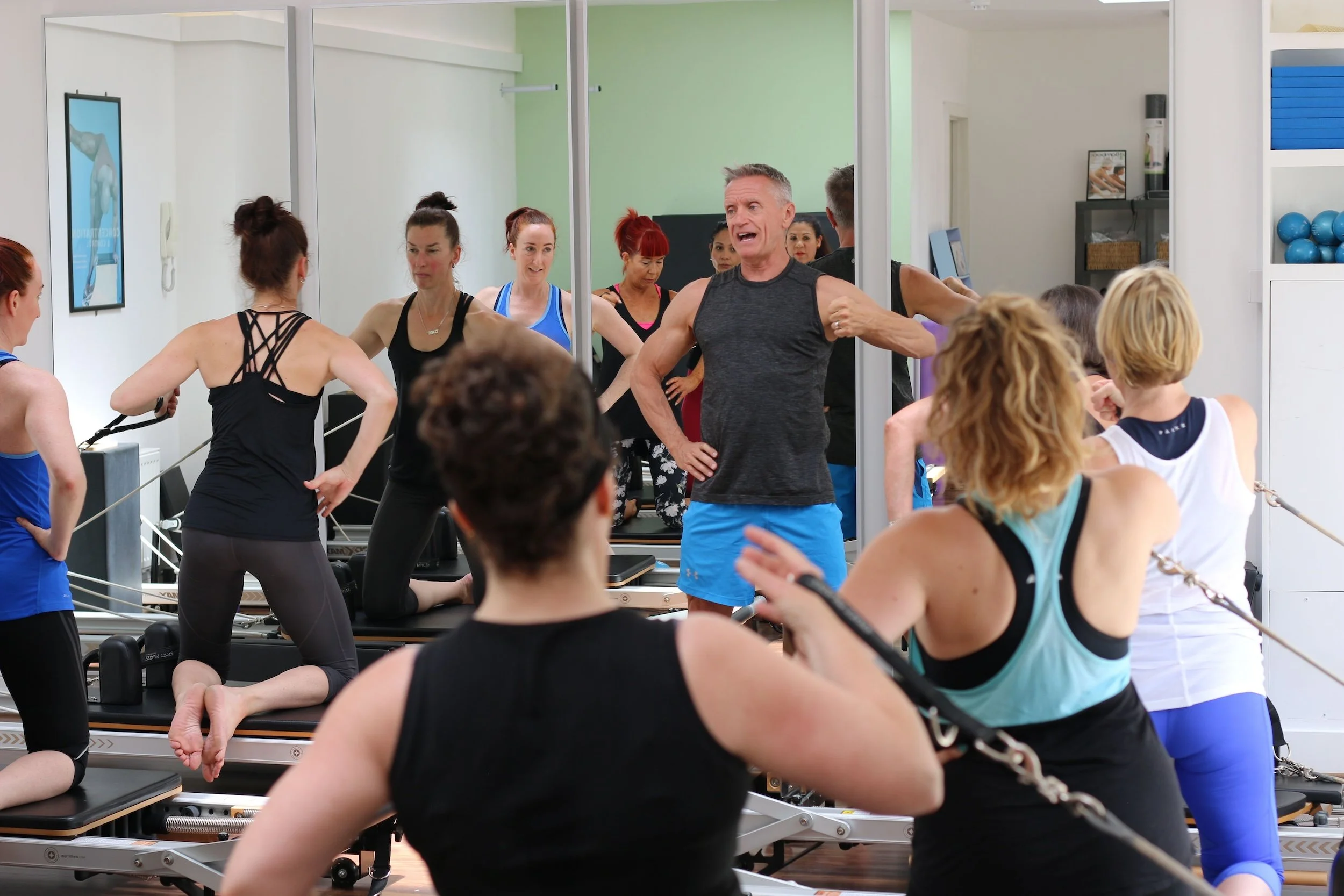
Most of us fill silence without realizing it. Sometimes it shows up as filler words: “okay,” “good,” “so,” “um,” “like.” Sometimes it shows up as repeat cues, phrases we say so often they stop registering. A cue that started as impactful teaching becomes white noise when it is said the same way, over and over, in every single class.
We fill silence because silence feels uncomfortable. It feels like something is wrong or we don’t know what to say. But actually, when you pause you give your client time to process your last cue. They are hearing it, understanding it, and responding physically. When you speak nonstop, you take that processing time away from them. You end up with clients who are always a beat behind, or who nod along without actually integrating what you said.
Allowing silence is often more effective than piling on the cues.
What A Pause Actually Does
A pause does several things at once.
It gives the cue time to land. When you say something important and then stop, your client has a moment to actually hear it. Not just receive the sound, but connect it to their body.
It signals importance. When you introduce variation into a fast and sometimes endless stream of cues, the brain pays attention. The silence acts like a spotlight. It tells your client, without saying a word, that what you just said matters.
It replaces filler words and cues effectively. Every time you would have said “okay” or “go ahead and” or “just,” you can say nothing instead. That nothing is cleaner, clearer, and more confident than the filler ever was.
And it changes how you come across. Confident teachers pause. Teachers who are uncertain rush to fill every moment with words. When you hold silence with ease, clients read it as authority. They trust you more.
How To Start Practicing
The most effective way to understand your relationship with silence is to record yourself teaching. Just your phone, audio only, one class. Then listen back. Most teachers are genuinely surprised by what they hear: the filler words they did not know they were saying, the repeat cues that have become automatic, and the absence of any real pause anywhere.
Do not be hard on yourself about what you find. I know. It’s challenging, but just notice it. Awareness is the first step to change.
Once you are aware of your filler words and patterns, start small. Practice tying your pause to the breath. The breath is already the rhythm of a Pilates class, so pausing for the length of an inhale or an exhale feels grounded rather than awkward. For example: “On your next exhale, press into your feet and lift your hips.” Then stop. Let them do it. Then continue. That brief silence is where some of the most powerful teaching happens.
What Teachers Worry About
Initially, pausing feels awkward. It feels way too long. You’ll think that clients will think that something is wrong.
But here’s the truth: what feels like the longest pause ever is almost always just one or two seconds in reality. Your clients are focusing on themselves, not you. They are moving, breathing, and responding to what you just said. The pause that feels endless for you, is barely a beat for your class.
The awkwardness you feel is all you, not them. And when you listen back, you will find the pause was much shorter than it felt, and yes, very effective.
A Small Shift With a Big Return
When Pilates teachers learn to pause with intention, the results show up quickly. As you get more comfortable with this powerful tool, you’ll find that you have more time to take in how your class is responding to what you say. Your cue clarity starts to improve. Clients respond more accurately. Classes feel more focused. And you’ll feel more in control, because you are no longer rushing from one cue to the next. Now you are making deliberate choices about when to speak and when to let the silence do the work.
This is why pausing is one of the 5 Vocal Foundations of The Pilates IT Factor. It’s a powerful communication skill, and like every skill in this framework, it is learnable and immediately useful in your very next class.
Now take a breath. And pause.
Ready to go deeper?
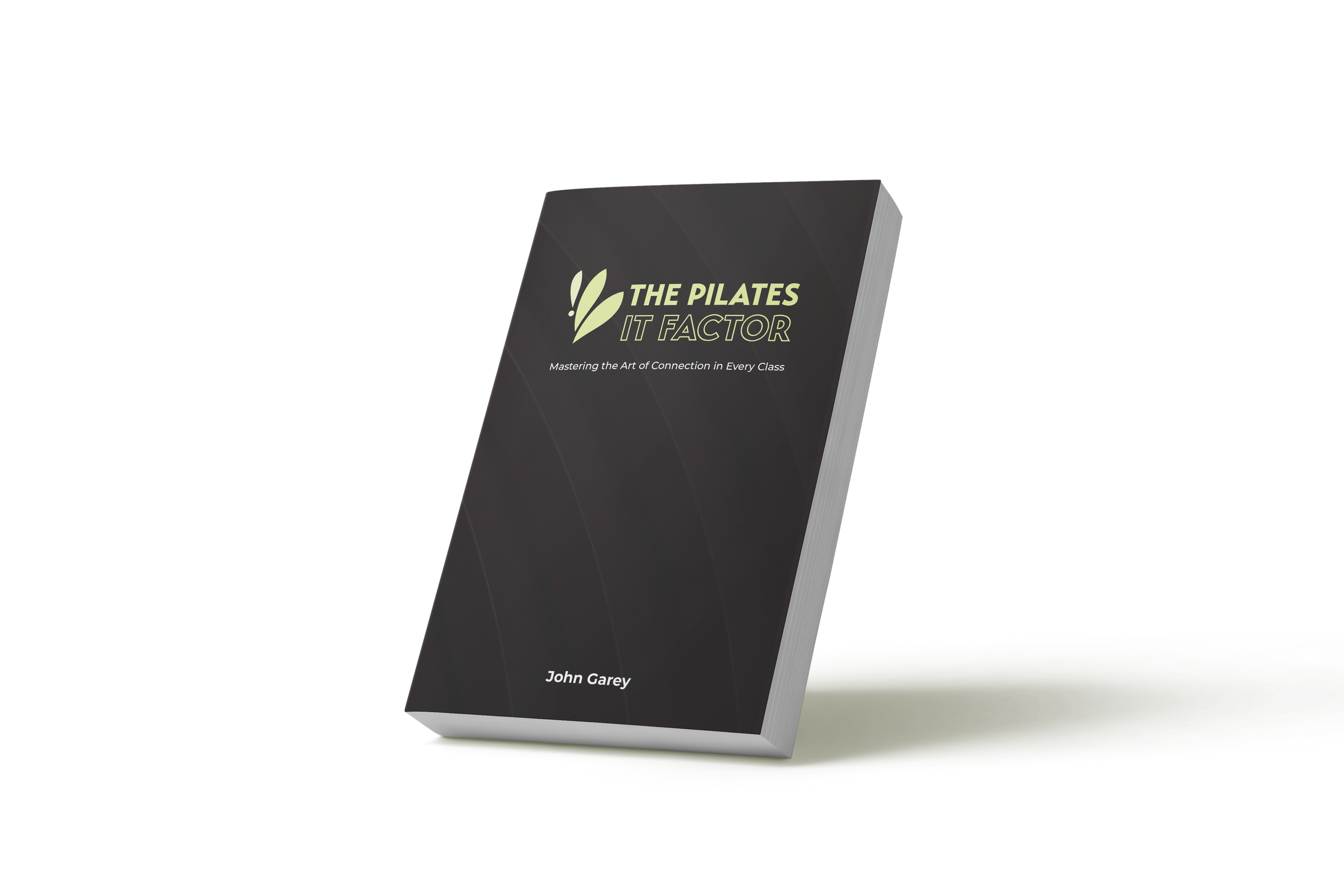
The Pilates IT Factor Guide covers Vocal Foundations, including the pause, filler words, rate of speech, and cueing with intention, along with four other pillars that change how you teach.
The Complete Video Course teaches the same framework on video, with 5 NPCP CECs. Start with whichever fits how you learn. Together, they are even more powerful.